Search topic: spring houseplant care
Spring Houseplant Care Basics
An English seasonal guide to the shift from winter routines to spring growth, including watering, repotting, and new growth checks.
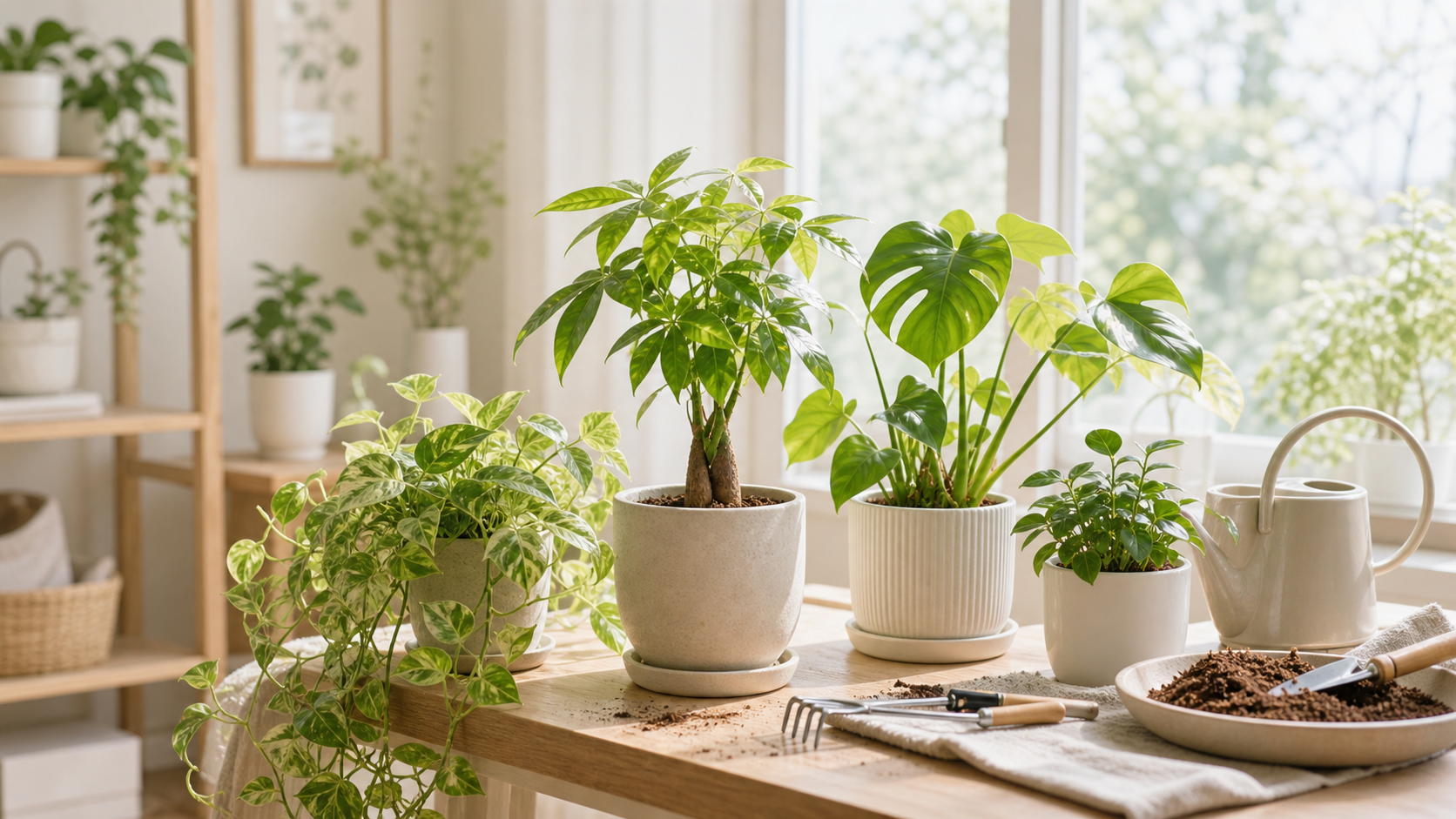
Key Points
- What changes when plants wake up in spring
- How to restart watering carefully
- Why spring is often the best time to repot
- What new growth tells you about the setup
Quick Answer
Spring is a great time to reset indoor plant care, but the safest version of that reset is gradual.
If drying speed, light, and new growth all improve steadily, your spring adjustments are likely on track.
Table of Contents
- What changes in spring
- How to adjust watering and light
- Why spring is good for repotting
- Mistakes to avoid
- FAQ
- Conclusion
Spring is a transition season, not a signal to rush. Plants often move from winter slowdown into active growth gradually, and your care should shift with that pace.
This guide covers the spring reset: what to change, what to watch, and what not to overdo.
What changes in spring
Days become longer, light improves, and many plants begin using more water again. Some also start pushing visible new growth, which is a useful sign that the room is becoming more supportive.
The key is to notice these shifts before assuming all winter rules no longer apply.
How to adjust watering and light
As the mix begins drying faster, you can shorten the interval carefully. At the same time, brighter conditions may allow you to place some plants closer to useful light.
Spring changes work best when they are incremental rather than sudden.
Why spring is good for repotting
Repotting and light shaping are often easier in spring because the plant is entering a more active recovery period. Root systems usually respond better than they do in cold low-light months.
That said, stable temperatures still matter, so there is no need to rush very early.
Mistakes to avoid
Do not increase water, fertilizer, pruning, and repotting all at once. Too many changes together make it harder to tell what the plant actually needed.
A measured spring reset is usually more successful than an enthusiastic overhaul.
FAQ
Should I repot all my plants in spring?
Not all of them. Repot when the plant actually shows signs that it needs more room or fresher mix.
When should I restart fertilizer?
Usually after you see signs of active growth and the plant looks stable.
What is the easiest spring mistake?
Doing too many corrective tasks at once instead of adjusting gradually.
Conclusion
Spring is a great time to reset indoor plant care, but the safest version of that reset is gradual.
If drying speed, light, and new growth all improve steadily, your spring adjustments are likely on track.